DIY Hummingbird Nectar: Easy Recipe & Essential Tips for Happy Birds
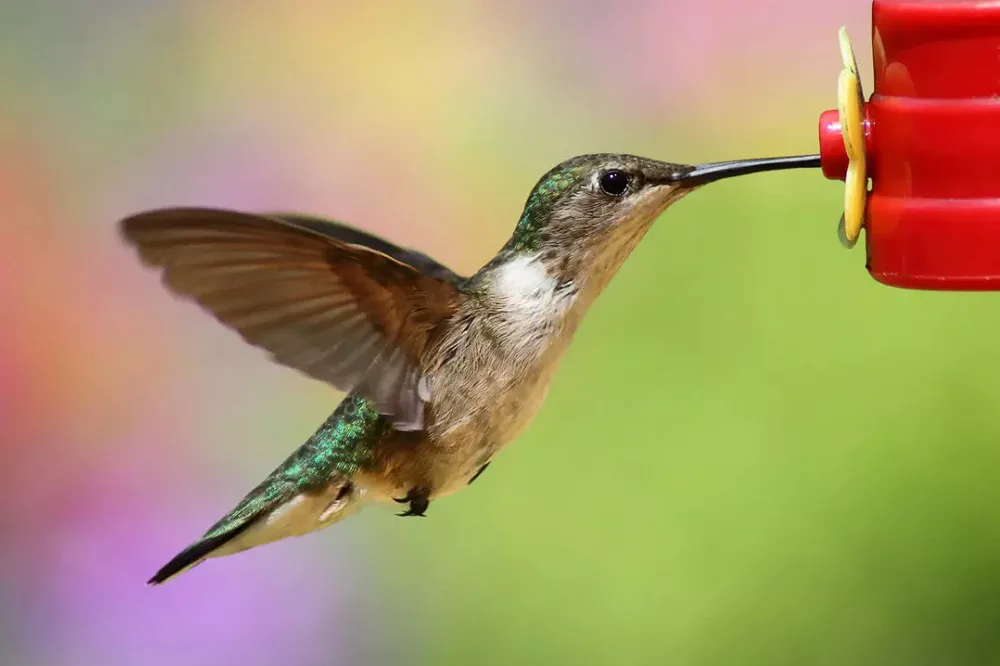
There’s a special kind of magic that unfolds when a hummingbird graces your garden. These tiny, iridescent jewels of the sky hover with astonishing grace, a blur of wings and vibrant color, sipping nectar from your flowers or feeders. For many gardeners, witnessing a hummingbird in their yard feels like a significant achievement, a testament to creating a truly hospitable environment. While nature provides much, offering a supplemental source of energy through homemade nectar is an incredibly rewarding way to support these fascinating creatures.
Forget the days of costly, store-bought solutions or concerns about harmful artificial dyes. Making your own
Diy Hummingbird Nectar is not only incredibly easy and cheap, but it's also the safest and most recommended option for our aerial acrobats. With just two simple ingredients and a few minutes of your time, you can provide a vital energy source that helps these birds thrive.
The Simple & Safe DIY Hummingbird Nectar Recipe
Creating a fresh batch of hummingbird nectar is genuinely one of the simplest tasks you can undertake for your backyard wildlife. The key is adhering to the correct ratio, which perfectly mimics the natural sugar concentration found in the flowers they frequent.
Ingredients:
*
1 part refined white sugar
*
4 parts water (preferably distilled or filtered, but clean tap water is fine)
**For a standard batch, this usually translates to:**
*
1 cup refined white sugar
*
4 cups water
Or, for a smaller quantity often recommended for frequent changes:
*
1/4 cup refined white sugar
*
1 cup water
Both ratios are equally effective and are the
National Audubon Approved recipe for safe and nourishing hummingbird food.
Instructions:
1.
Boil the Water: Bring the measured water to a rolling boil. Boiling helps to sterilize the water, which can extend the nectar's freshness, and it also aids in the quick dissolution of the sugar.
2.
Dissolve the Sugar: Once the water is boiling, remove it from the heat. Stir in the refined white sugar until it is completely dissolved. The solution should be clear with no visible sugar crystals.
3.
Cool Completely: Allow the nectar to cool entirely to room temperature before filling your feeders. Placing it in the refrigerator can speed up this process.
4.
Fill Feeders & Store Leftovers: Pour the cooled
Diy Hummingbird Nectar into your clean hummingbird feeders. Any remaining nectar can be stored in a sealed container in the refrigerator for up to a week.
Why the Right Ingredients and Ratios Matter
When it comes to feeding hummingbirds, intention is paramount, but so is precision. Using the wrong ingredients or an incorrect ratio, even with the best intentions, can be detrimental to these delicate creatures.
Only Use Refined White Sugar
This is perhaps the most crucial rule for
safe DIY hummingbird nectar. Hummingbirds need sucrose, which is found in abundance in plain, refined white table sugar.
*
Avoid Brown Sugar, Powdered Sugar, or Organic/Raw Sugars: These contain various impurities, minerals, or starch (in powdered sugar) that can be harmful to hummingbirds. Their digestive systems are not equipped to process these substances, which can lead to illness or even death.
*
Never Use Honey: Honey is an absolute no-go. It can ferment rapidly and promote dangerous fungal and bacterial growth (like black mold) that is highly toxic to hummingbirds.
*
Steer Clear of Artificial Sweeteners: These offer no nutritional value to hummingbirds and are completely useless as an energy source.
The Importance of the 4:1 Water to Sugar Ratio
This specific ratio is not arbitrary; it's carefully chosen to closely mimic the sugar concentration found in the natural flower nectar that hummingbirds consume. Providing a solution that is too weak won't give them enough energy, while one that is too strong can be difficult for them to digest. Sticking to the 4:1 water-to-sugar ratio ensures they get the optimal fuel they need.
Say NO to Red Dye
Many commercial nectars are artificially colored red, based on the misconception that hummingbirds are attracted to red dye. This is false and potentially dangerous. The red dye has been linked to health problems in hummingbirds, including tumors. Hummingbirds are naturally attracted to the color red, but they see the color of the feeder itself, not the nectar. Always keep your homemade nectar clear and colorless.
Beyond the Nectar: Creating a Hummingbird Haven
While delicious and safe
Diy Hummingbird Nectar is a fantastic start, cultivating a truly welcoming environment for these birds involves a few more considerations.
Strategic Feeder Placement
Where you place your feeders can significantly impact their success and the safety of the hummingbirds.
*
Visibility: Place feeders in an open area where they are easily visible to hummingbirds from a distance.
*
Protection: Ensure the feeder is not too close to dense foliage where predators like cats might hide. However, a nearby tree or shrub offers a safe perch for them to rest between feedings.
*
Shade: Position feeders in a spot that receives partial shade, especially during the hottest parts of the day. This keeps the nectar cooler and slows down fermentation, meaning it stays fresh longer.
*
Ant Moats: Consider adding an ant moat to your feeder to deter ants from reaching the nectar.
Feeder Cleaning is Non-Negotiable
This is perhaps the most critical tip after the recipe itself. Hummingbirds are susceptible to bacterial and fungal infections from contaminated nectar.
*
Frequent Cleaning: In warm weather, feeders should be cleaned and refilled every 2-3 days. In cooler weather, you might get away with every 4-5 days, but never longer than a week.
*
Thorough Washing: Use hot water and a bottle brush to scrub all parts of the feeder. A mild solution of 1 part white vinegar to 4 parts water can be used for deeper cleaning and to remove any stubborn mold. Rinse thoroughly with clean water afterward to ensure no vinegar residue remains.
*
No Soap: Avoid using dish soap as residues can be harmful to hummingbirds.
Supplement with Nectar-Rich Plants
While your homemade nectar is a wonderful supplement, a truly thriving hummingbird garden incorporates natural food sources. Planting nectar-filled flowers provides a diverse diet, attracts beneficial insects (which hummingbirds also eat for protein), and creates a beautiful habitat. Hummingbirds particularly love bright colors and cone-shaped flowers.
Consider adding plants like:
*
Lobelia
*
Salvia
*
Zinnias
*
Lantana
*
Agastache
*
Cuphea
*
Honeysuckle
*
Echinacea
*
Scabiosa
Hummingbird Fascinating Facts & Importance of Your Contribution
Hummingbirds are marvels of the avian world. Did you know their heart rates can reach an astounding 1200 beats per minute? They typically weigh less than a nickel and, surprisingly, can't use their feet to walk or hop – only to scoot sideways when perched. These tiny powerhouses eat every 10-15 minutes, visiting anywhere from 1,000 to 2,000 flowers a day to fuel their incredible metabolism.
With changing habitats, earlier flower blooms due to climate change, and other environmental adversities, providing supplementary food sources is more important than ever. Your simple act of making and maintaining a hummingbird feeder with safe
Diy Hummingbird Nectar directly contributes to the survival and well-being of these magnificent, feisty, and incredibly resilient little birds. You are not just putting out a feeder; you are becoming a crucial part of their support system.
Creating a welcoming and safe space for hummingbirds is a responsibility that brings immense joy. By following these easy steps and tips, you can ensure that your backyard remains a popular and healthy stop for these cherished visitors. Enjoy the spectacle, and know that you are making a difference for these remarkable creatures!