National Audubon Approved: Simple & Safe DIY Hummingbird Nectar at Home
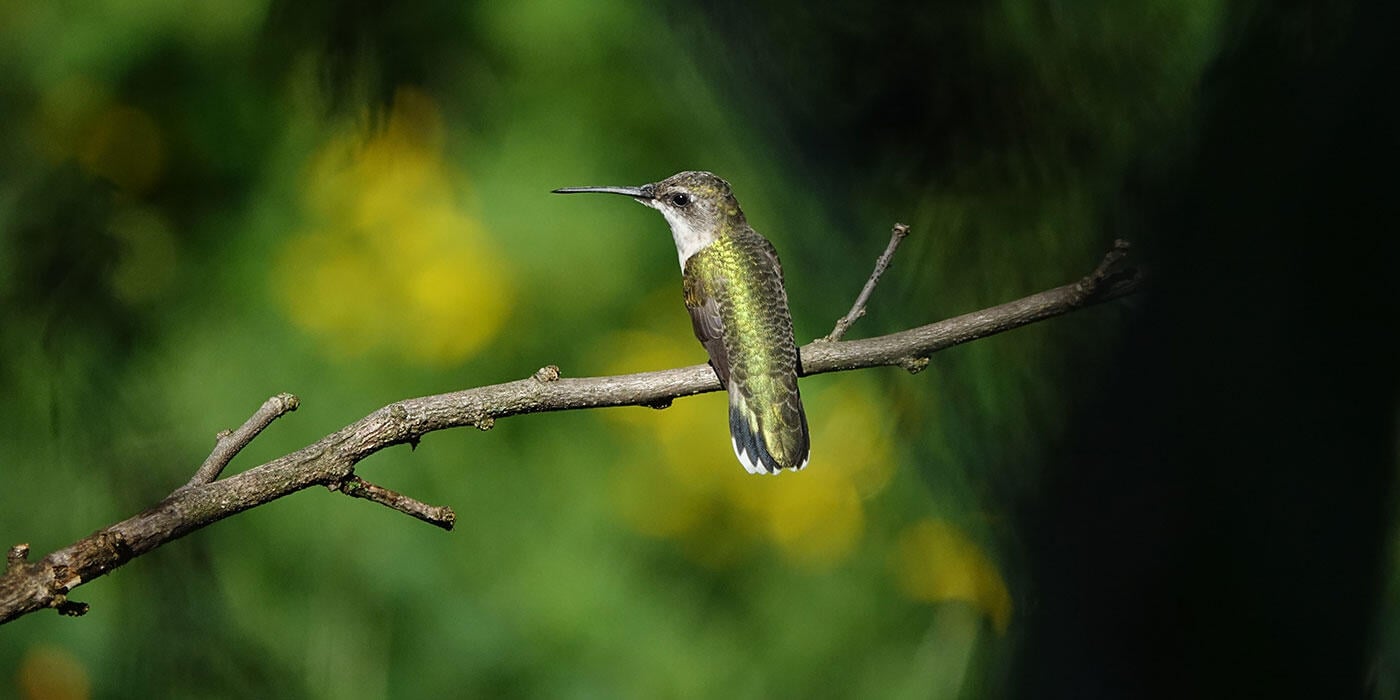
There's a unique magic in watching a hummingbird dart and hover in your garden. These tiny aerial acrobats, with their iridescent feathers and incredible agility, bring a sense of wonder and vitality to any backyard. For many garden enthusiasts, attracting hummingbirds feels like a badge of honor, a testament to creating a welcoming oasis. While their visits might seem purely coincidental, providing a reliable food source through homemade nectar is often key to rolling out the red carpet for these feathered jewels. The great news? Making your own National Audubon approved
DIY hummingbird nectar is incredibly simple, cost-effective, and – most importantly – safe for these delicate creatures.
Gone are the days when store-bought, artificially dyed nectars were considered the standard. Scientific understanding and conservation efforts have shown that purity and simplicity are paramount when it comes to feeding hummingbirds. By taking just a few minutes, you can craft a healthy, nourishing solution that helps sustain these fascinating birds, especially in times of changing habitats and flowering patterns. If you're eager to learn more about creating the perfect backyard buffet for these tiny marvels, explore our guide on
DIY Hummingbird Nectar: Easy Recipe & Essential Tips for Happy Birds.
Why Homemade Nectar is Best for Hummingbirds (and You!)
The shift towards homemade hummingbird nectar isn't just a trend; it's a practice rooted in the well-being of hummingbirds. Commercial nectars often contain red dyes, which were once thought to attract hummingbirds. However, extensive research and expert consensus, including guidance from the National Audubon Society, have proven these artificial colorings to be not only unnecessary but potentially harmful, linked to serious health issues like tumors in birds. When flowers naturally provide the vibrant colors hummingbirds are drawn to, adding artificial dyes to their food source is a risk simply not worth taking.
Beyond safety, making your own
DIY hummingbird nectar offers several compelling advantages:
*
Cost-Effectiveness: The ingredients for homemade nectar are incredibly cheap – just sugar and water. You'll save a significant amount compared to purchasing pre-made solutions.
*
Freshness and Control: You control the quality and freshness of the nectar. You know exactly what's going into your feeder, ensuring it's free from preservatives or unknown additives.
*
Environmental Impact: Reducing reliance on pre-packaged products also cuts down on plastic waste from bottles and containers.
*
Empowerment: There's a deep satisfaction in knowing you're providing a natural, beneficial food source for wildlife right in your own backyard.
Hummingbirds are metabolic marvels, constantly needing to refuel. Their hearts beat an astonishing 1200 times per minute, and they consume nectar every 10-15 minutes, visiting thousands of flowers daily to sustain their high-energy lifestyle. Offering a safe, clean, and readily available source of energy like homemade nectar can make a significant difference, particularly during migration or nesting seasons.
The National Audubon Approved DIY Hummingbird Nectar Recipe
The beauty of this recipe lies in its elegant simplicity and precise ratio, mirroring the natural sugars found in the flowers hummingbirds frequent. This is the gold standard, widely recommended by ornithologists and conservationists alike.
Ingredients:
- 1 cup refined white sugar
- 4 cups boiling water (clean, preferably filtered)
- A clean container for storage (e.g., a glass jar or bottle)
Instructions for Making Your DIY Hummingbird Nectar:
- Boil the Water: Bring 4 cups of water to a rolling boil. Boiling helps to purify the water and ensures the sugar dissolves completely.
- Dissolve the Sugar: Carefully remove the boiling water from the heat. Add 1 cup of refined white sugar to the hot water. Stir thoroughly until the sugar crystals are completely dissolved and the solution is clear.
- Cool Completely: Allow the nectar to cool to room temperature before filling your feeder. Warm nectar can be harmful to hummingbirds and can also speed up spoilage. You can place the container in the refrigerator to speed up the cooling process once it's no longer hot.
- Fill Your Feeder: Once cooled, pour the fresh nectar into a clean hummingbird feeder.
- Store Leftovers: Any unused nectar can be stored in a sealed container in the refrigerator for up to two weeks.
This simple 1-to-4 sugar-to-water ratio is crucial. It mimics the sucrose content of natural flower nectar, providing the ideal energy source without being too dilute or too concentrated, which could harm the birds.
Essential Dos and Don'ts for Safe Hummingbird Nectar
While the recipe itself is straightforward, adherence to certain best practices is vital to ensure you're providing a healthy and safe food source. The privilege of attracting these beautiful birds comes with the responsibility of caring for them properly. For a deeper dive into the specifics of safe ingredients and practices, check out our detailed article:
Safe DIY Hummingbird Nectar: The 4:1 Ratio & What NOT to Use.
DOs for Your DIY Hummingbird Nectar:
- Use ONLY Refined White Sugar: This is the purest form of sugar and is easily digestible by hummingbirds. Other sugars (brown sugar, raw sugar, organic cane sugar) contain iron, molasses, or other impurities that can be harmful.
- Keep Feeders Spotlessly Clean: This is arguably the most critical "do." Clean your feeders every 2-3 days, or even daily in hot weather, using hot water and a bottle brush. A weak vinegar solution can help with stubborn mold, but always rinse thoroughly afterwards. Mold and bacteria can grow rapidly in feeders, causing fatal infections for hummingbirds.
- Change Nectar Frequently: Even if your feeder isn't empty, change the nectar every 2-3 days. In hot climates (above 80°F/27°C), nectar can spoil much faster; change it daily. Discard any cloudy or fermented nectar immediately.
- Place Feeders Strategically: Hang feeders in shaded areas to slow down spoilage and away from direct sunlight. Ensure they are in open areas, providing an obstacle-free path for hummingbirds to approach and escape, and also deterring predators like cats.
- Offer Natural Food Sources: Complement your feeders with nectar-rich plants like Lobelia, Salvia, Zinnias, Lantana, Agastache, Cuphea, Honeysuckle, Echinacea, and Scabiosa. These bright, often tubular flowers are irresistible to hummingbirds and provide a more rounded diet, including small insects which are crucial for protein.
DON'Ts for Your DIY Hummingbird Nectar:
- DON'T Use Red Dye: We cannot stress this enough. Artificial red dyes are completely unnecessary and have been proven to be harmful to hummingbirds, potentially causing liver and kidney damage or tumors. The red color on the feeder itself is enough to attract them.
- DON'T Use Honey: Honey can ferment quickly and foster the growth of dangerous fungi and bacteria that can be fatal to hummingbirds. Its composition is also different from flower nectar, making it difficult for hummingbirds to digest.
- DON'T Use Artificial Sweeteners or Sugar Substitutes: These offer no nutritional value to hummingbirds and can be toxic.
- DON'T Use Brown Sugar, Powdered Sugar, or Sugar-Free Products: These contain various additives, chemicals, or different sugar compounds that are not suitable for hummingbird consumption.
- DON'T Use Pesticides Near Feeders or Nectar Plants: Hummingbirds eat small insects for protein, and ingesting pesticides can be deadly.
Beyond the Feeder: Creating a Hummingbird Haven
Providing fresh, homemade nectar is a fantastic start, but cultivating a truly hummingbird-friendly backyard involves a broader approach. These remarkable birds, weighing less than a nickel and unable to walk (only scoot sideways on a perch!), rely on a diverse and safe environment.
Consider planting a variety of native, nectar-producing flowers that bloom at different times of the year. This provides a continuous food source and helps supplement the sugar water you offer. Think about layers in your garden – shrubs for perching and shelter, and brightly colored flowers that they are naturally drawn to. Remember, they particularly love cone-shaped flowers.
Habitat loss and climate change pose significant challenges for hummingbirds, making backyard enthusiasts even more crucial in their conservation. By maintaining your feeders diligently, ensuring cleanliness, and offering a diverse plant palette, you become a vital part of their ecosystem. Observing hummingbirds in your garden is a testament to the thriving, vibrant natural world you've helped create.
Conclusion
Making your own
DIY hummingbird nectar is an incredibly rewarding experience that offers a direct, positive impact on these magnificent creatures. It's a simple act of kindness, requiring just two ingredients and a few minutes of your time, yet it provides a critical lifeline for hummingbirds. By following the National Audubon approved recipe and adhering to essential safety guidelines – especially regarding feeder cleanliness and avoiding harmful additives – you can ensure your backyard becomes a safe, healthy, and vibrant haven for these tiny wonders. Embrace the responsibility and joy of welcoming hummingbirds to your home; your efforts will be rewarded with countless moments of awe and appreciation.